How to Train After Physical Therapy: A Practical Guide to Rebuilding Strength and Confidence
Finishing physical therapy is a milestone, not a finish line. Many people leave rehab feeling better but not yet ready to train the way they want to. The transition from clinical care back to an active, capable life is exactly where thoughtful coaching matters most.
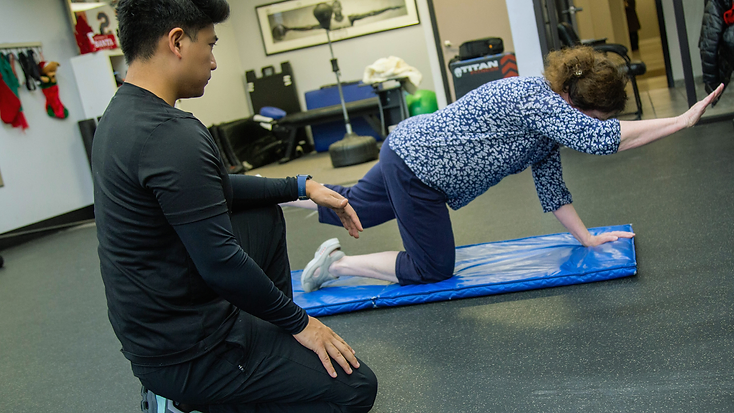
Physical therapy is designed to get you out of pain and back to basic function. It does an excellent job of that. But "no longer injured" is not the same as "ready to live the way I want to." There is a real gap between being discharged from care and feeling strong enough to hike, lift, play with your kids, or return to the sport you love. That gap is where most people stall, and it is exactly the space MIG FITT was built to fill.
The goal of training after physical therapy is not to redo the rehab you just finished. It is to take the foundation rehab gave you and build on it. That means progressively reintroducing load, rebuilding general strength and conditioning, and restoring the confidence to move without second-guessing your body. Done well, this phase turns the end of one chapter into the start of a stronger one.
What to focus on first
Start with an honest assessment of where you are, not where you were. Your old personal records do not matter yet. What matters is what you can do today with good form and without flaring up the issue you just spent weeks or months resolving. A capable coach will help you find that starting point and map a path forward that respects your history while still challenging you enough to create real adaptation.
From there, the work is about building capacity across the fundamentals. Strength training rebuilds the muscle and connective tissue that protect your joints. Conditioning improves the energy and resilience you need for daily life and sport. Mobility work keeps your joints moving well so that strength can be expressed through a full range of motion. And recovery, nutrition and sleep are what allow all of it to stick.
Principles that make the transition stick
- Get cleared, then get a plan. Physical therapy restores baseline function; structured coaching rebuilds the capacity above it.
- Start below your old max. Confidence comes from sessions you finish feeling better, not ones that set you back.
- Train the whole person, not the injury. Strength, movement, conditioning and recovery all matter together.
- Progress deliberately. Small, repeatable wins compound into real capability over weeks and months.
If you are coming out of physical therapy and wondering what comes next, you do not have to figure it out alone. A free discovery call is the simplest way to talk through where you are, where you want to go, and whether coaching is the right next step for you.

What has pain been keeping you from?
Your first step isn't another workout. It's a conversation. Tell us what you've been dealing with, what you've already tried, and what you want to get back to doing.